Source for Toyota Automobile Balance Rod for Camry and Hiace
Compare 30 verified listings for the for Toyota automobile balance rod, including stabilizer links and tie rod ends. Buyers can review specifications, OE numbers, and customization options for models like Camry, Yaris, and Hilux; compare the available evidence and request quotations based on your requirements.
Key considerations
Products List


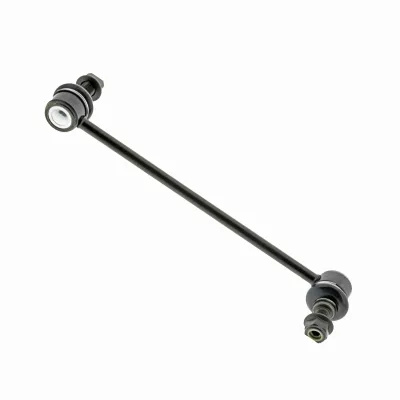


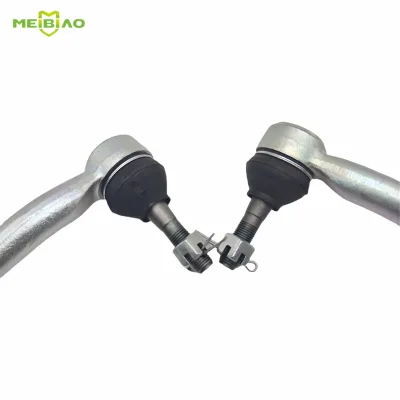


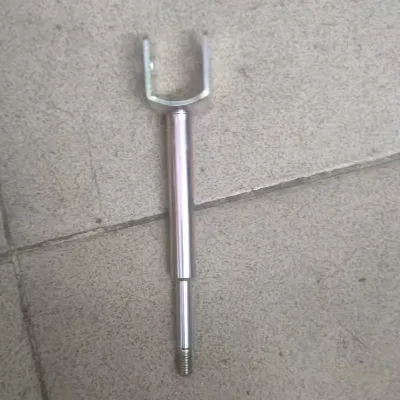
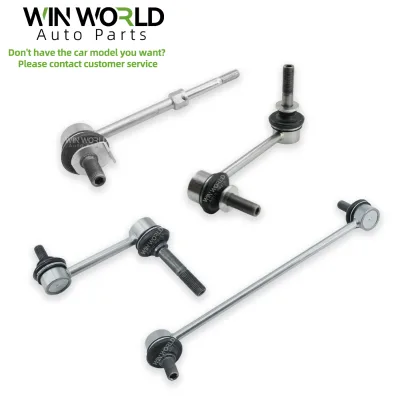
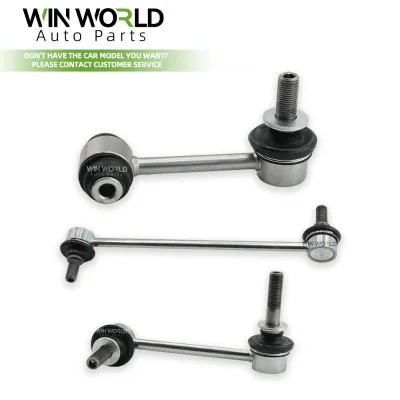
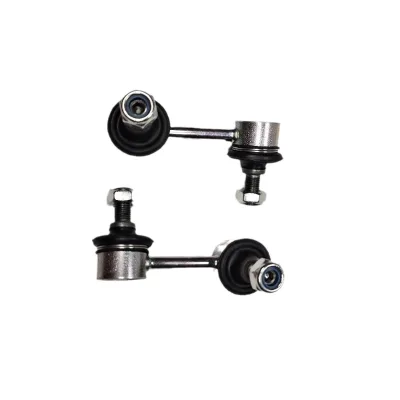
Comprehensive Sourcing Guide
For Toyota Automobile Balance Rod Sourcing Guide
Procuring balance rods, often referred to as stabilizer links or sway bar links, requires a disciplined approach to ensure vehicle safety and handling integrity. These components connect the stabilizer bar to the suspension control arms, playing a critical role in minimizing body roll during cornering. Buyers must recognize that these parts are subject to significant dynamic loads and vibration, making material quality and joint durability paramount. The sourcing process should prioritize suppliers who demonstrate rigorous manufacturing controls and transparent supply chain practices.
This guide focuses on evidence-based procurement strategies for balance rods compatible with Toyota models. By analyzing observed market signals, technical specifications, and commercial terms, buyers can mitigate risks associated with counterfeit or substandard components. The following sections provide a structured framework for evaluating suppliers, verifying product compliance, and establishing long-term procurement relationships. This approach ensures that sourced parts meet the high standards required for automotive safety systems.
Product Scope and Observed Listing Signals
The current market for Toyota balance rods exhibits a wide range of product models and packaging options, indicating a diverse supplier base. Observed listings include specific model identifiers such as KH009, 48830-30090, ZM-B1388, and ZM-F1041, which correspond to various OE numbers like 1732874 and 4335039035. Buyers should note that packaging varies significantly, from neutral carton packaging and wooden boxes to reference packs based on custom drawings. This variability suggests that suppliers offer both standard and customized solutions, requiring careful verification of packaging integrity to prevent damage during transit.
Price and minimum order quantity (MOQ) signals further illustrate market diversity. The observed price range spans from $0.59 to $1075, reflecting differences in material quality, complexity, and brand positioning. MOQs range from a single piece to 500 units, with some suppliers specifying an MOQ of 100 PCS for certain ball joint types. This flexibility allows buyers to scale orders according to demand, but it also necessitates a clear understanding of cost structures. Buyers must align their order volumes with supplier capabilities to avoid unnecessary premiums or stockouts.
Technical Specifications to Verify
Technical verification begins with confirming the structural composition and material standards of the balance rods. High-confidence data indicates that many products utilize a steel composite structure, with ball joints featuring an outer shell made of 45# steel to resist rust and corrosion. Buyers must verify that the dust covers exhibit high-temperature performance without deformation or vulcanization, as well as low-temperature resilience against cracking. These attributes are critical for maintaining joint integrity under extreme environmental conditions, ensuring that the suspension system performs reliably throughout the vehicle's lifespan.
Dimensional and weight specifications also require strict adherence to buyer requirements. Observed standards include dimensions such as 3005060 and weights ranging from 0.55 kg to 0.75 kg for specific models like ZM-B1388 and ZM-F1041. Additionally, thread specifications such as M121.25MM260** are noted for certain tie rod ends. Buyers should cross-reference these specifications with their vehicle’s OE data to ensure perfect fitment. Any deviation in size, weight, or thread pitch can lead to installation failures or compromised vehicle dynamics, making precise verification essential before placing bulk orders.
Compliance and Safety Documentation
Compliance with international quality standards is a non-negotiable aspect of sourcing automotive components. Many suppliers in the observed market claim ISO certification, which serves as a baseline indicator of their quality management systems. Buyers should request valid ISO certificates and verify their authenticity through independent channels. This documentation confirms that the supplier adheres to standardized processes for manufacturing, inspection, and continuous improvement. Without such certification, the risk of inconsistent product quality increases significantly, potentially leading to costly recalls or safety liabilities.
Safety documentation must also include evidence of rigorous testing protocols. Products are often described as "100% Tested," but buyers should seek detailed test reports that validate these claims. Specific durability tests, such as the swing test showing no loosening after 1,000,000 cycles, provide concrete evidence of joint reliability. Buyers should request these test results to verify that the components can withstand the expected operational stresses. Additionally, ensuring that the products meet regional safety regulations is crucial for market access and legal compliance, protecting both the buyer and the end-user from potential hazards.
Cost Drivers and Commercial Terms
Understanding the factors that influence pricing is essential for effective budget management. The wide price range observed in the market is driven by variations in material costs, manufacturing complexity, and customization levels. Products with custom packaging or specific structural requirements may command higher prices due to the additional labor and tooling involved. Buyers should analyze the cost breakdown to identify areas where savings can be achieved without compromising quality. For instance, opting for neutral packaging instead of branded solutions might reduce costs, provided it meets logistical requirements.
Commercial terms, including payment methods and MOQs, also impact the total cost of ownership. The observed payment method of T/T (Telegraphic Transfer) is common in international trade, but buyers should negotiate favorable terms based on order volume and relationship history. MOQs ranging from 1 to 500 units offer flexibility, but larger orders may qualify for volume discounts. Buyers should also consider lead times and shipping costs, which can significantly affect the final landed cost. Establishing clear commercial terms early in the negotiation process helps avoid unexpected expenses and ensures a smooth transaction.
Supplier Qualification and Quality Control
Supplier qualification is a critical step in mitigating procurement risks. Buyers should conduct thorough due diligence to assess the supplier’s manufacturing capabilities, quality control processes, and financial stability. Visiting the production facility, if possible, allows for direct observation of the manufacturing line and quality assurance procedures. For suppliers based in regions like Anhui, China, buyers should verify their operational history and reputation within the industry. A supplier’s ability to provide consistent, high-quality products is a strong indicator of their reliability and professionalism.
Quality control measures must be integrated into the procurement process to ensure product consistency. Buyers should implement incoming inspection protocols to verify that delivered goods match the agreed-upon specifications. This includes checking for visual defects, dimensional accuracy, and material integrity. Establishing a clear communication channel with the supplier for addressing quality issues is also essential. By maintaining active oversight and enforcing strict quality standards, buyers can minimize the risk of receiving defective products and ensure that their supply chain remains robust and efficient.
Long-Term Procurement Checks
Establishing long-term procurement relationships requires ongoing monitoring and evaluation of supplier performance. Buyers should regularly review key performance indicators such as on-time delivery rates, product defect rates, and responsiveness to issues. Consistent performance in these areas indicates a reliable supplier who can support long-term business needs. Additionally, buyers should stay informed about industry trends and technological advancements that may impact product quality or availability. This proactive approach helps in anticipating potential challenges and adapting procurement strategies accordingly.
Continuous improvement should be a shared goal between the buyer and the supplier. Regular feedback sessions can help identify areas for improvement in both product quality and service delivery. Buyers should encourage suppliers to invest in research and development to enhance product durability and performance. By fostering a collaborative relationship, buyers can benefit from the supplier’s expertise and innovation. This long-term perspective ensures that the procurement process remains dynamic and responsive to changing market conditions, ultimately supporting the buyer’s business objectives.
FAQs
Can these stabilizer links be customized to specific drawings?
Yes, customization is available for these stabilizer links. The manufacturer produces items based on provided customer drawings, allowing for tailored specifications. Packaging can also be customized to meet specific requirements, ensuring the final product aligns with your exact design needs and quality standards.
What is the minimum order quantity for ball joints?
The minimum order quantity for ball joints is 100 pieces. This MOQ applies to specific models like the ZM-B1388. For other tie rod ends, such as the ZM-F1041, the MOQ may be as low as one piece, depending on the specific product model and supplier terms.
What materials are used for the ball joint outer shell?
The ball joint outer shell is made from 45# steel. This material choice ensures rust and corrosion prevention, enhancing durability. The components undergo rigorous testing, including a swing test of one million cycles to confirm no loosening occurs, maintaining structural integrity under heavy use.
Are the dust covers resistant to extreme temperatures?
Yes, the dust covers are designed for high and low-temperature performance. They show no deformation or vulcanization at high temperatures and remain crack-free in cold conditions. This ensures reliable protection for the joint components across various environmental conditions and operational demands.
What certifications do these auto parts hold?
These auto parts hold ISO certification, indicating adherence to international quality management standards. The products are manufactured in China and undergo 100% testing before shipment. This ensures consistent quality and reliability for automotive applications, meeting the stringent requirements of global buyers and suppliers.
What packaging options are available for these components?
Packaging options include neutral carton packaging, wooden boxes, and netural package bags. The final packaging can be customized based on specific orders or drawings. This flexibility allows buyers to choose packaging that best suits their logistics needs and storage requirements for the automotive parts.